The part nobody tells you about before you buy the animals. Who to ring, what it costs, what the paperwork actually is, and the mistakes almost everyone makes in their first year.
We started with no farming background and a lot of confidence. Most of what we know now came from getting something slightly wrong, ringing someone who knew better, and writing the answer on the back of a feed docket. This page is that pile of feed dockets, tidied up.
None of this is veterinary or legal advice, and rules differ by state. Where something is a legal requirement we have said so, and pointed you at the department that actually administers it rather than at us.
In roughly this order. Every one of these is cheaper and calmer to deal with before there is livestock standing in the paddock waiting on it.
A Property Identification Code is the number your land is known by for livestock purposes, and in every Australian state you need one before you can legally keep cattle, sheep or goats — even two pet wethers on a house block. It is issued by your state agriculture department, it is free or close to it in most states, and it takes days rather than minutes. Apply for it the week you decide, not the week before delivery.
Walk the boundary and be unkind about it. Cattle lean, sheep push underneath, and goats treat a fence as a suggestion. Almost every escape story we hear traces back to a fence the owner already knew was marginal. Budget for the fix before the animals, because chasing stock down a road at dusk costs more than wire does.
A trough that fills itself, in shade, that cannot be knocked over and does not run dry if you are away for a weekend. Buckets are fine right up until the day they are not. Check what happens to your supply in a power cut and in the fourth week of a dry February.
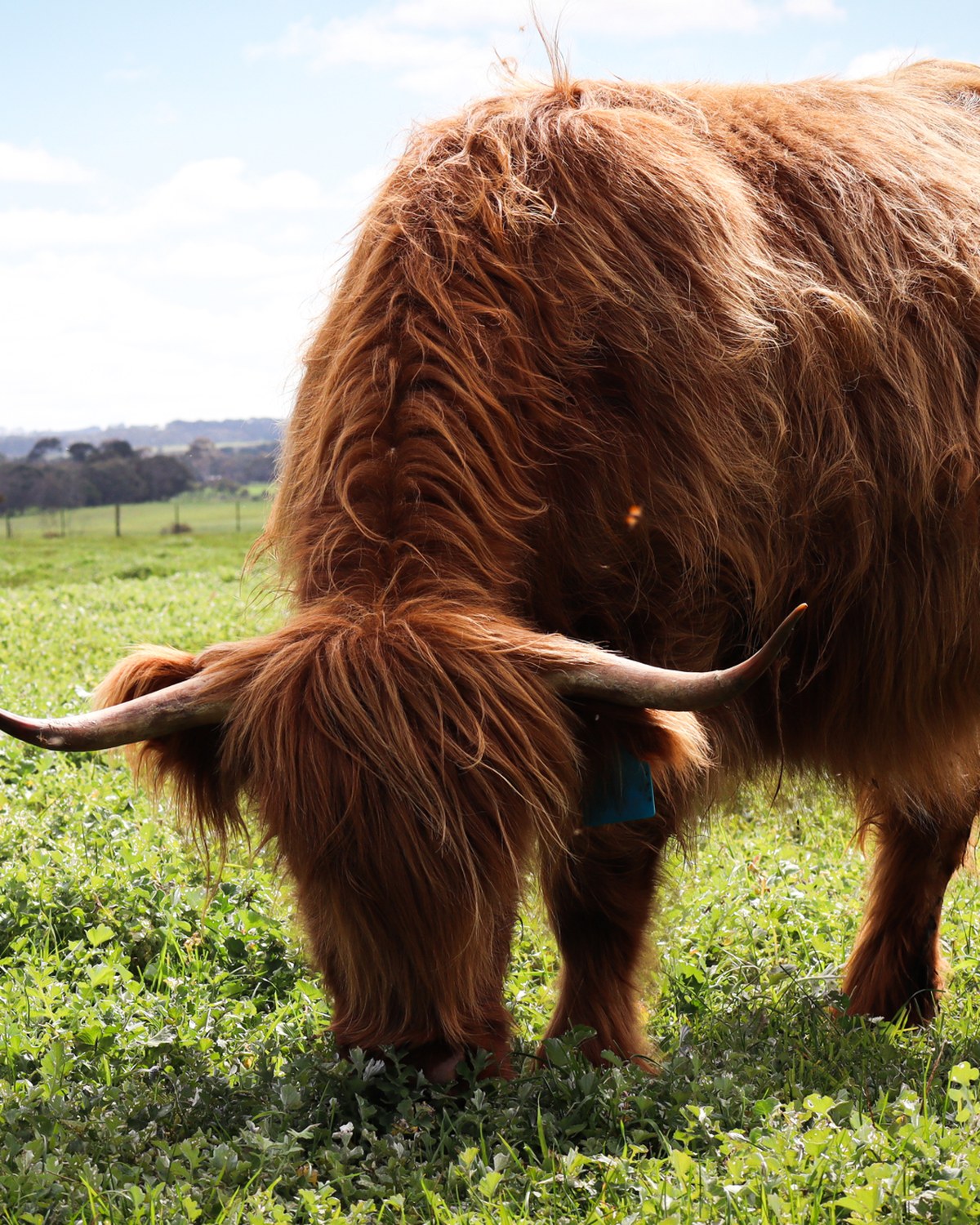
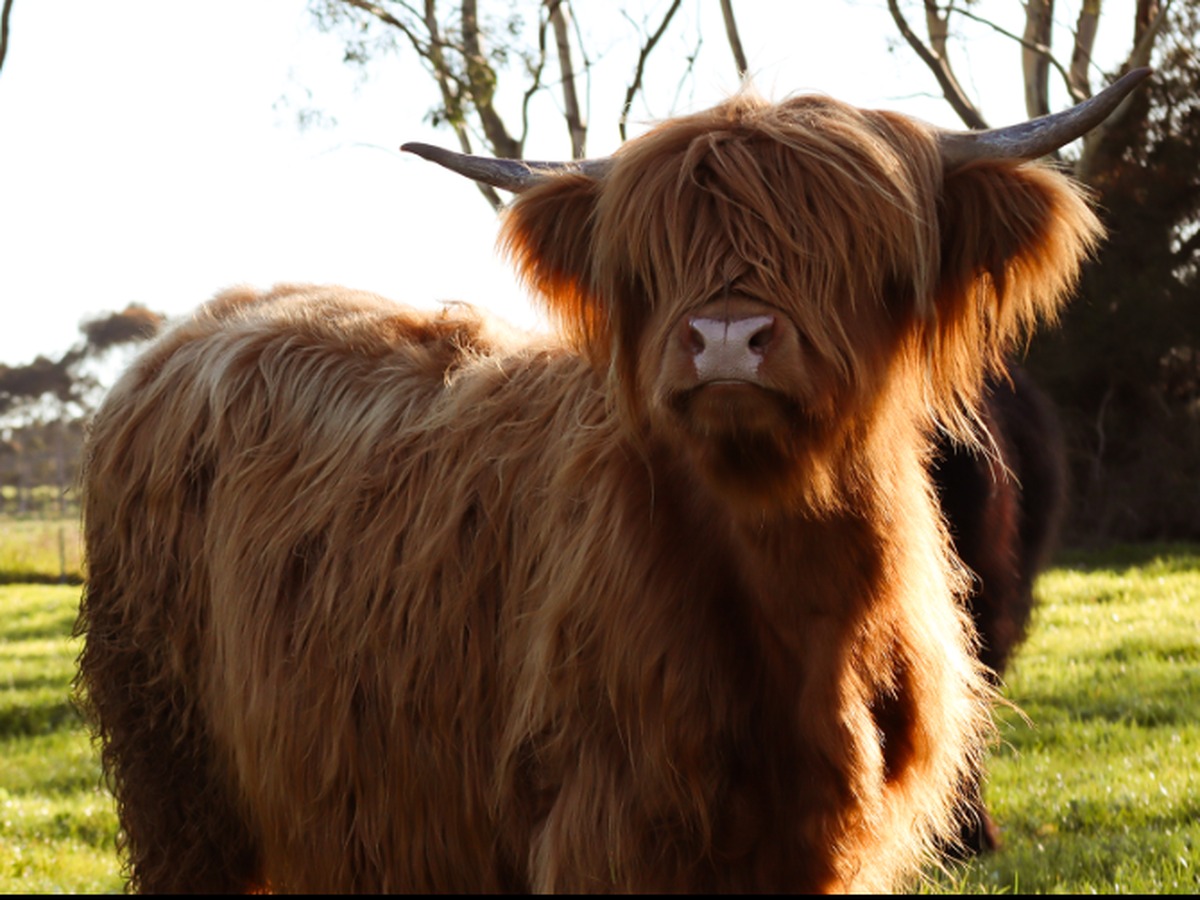
Goats genuinely hate rain and will need somewhere dry. Sheep in full wool need shade more than they need a roof. Highlands carry a coat built for the Scottish winter and suffer in an Australian summer, so shade and airflow are welfare items, not luxuries. It does not have to be pretty.
Ring around before you need one. Plenty of small-animal clinics will not attend cattle, sheep or goats, and the ones that do often have a travel radius. Find out now who comes out, what they charge for a call, and what happens at 9pm on a Sunday. Save the number in your phone under something you will find while panicking.
A small yard, a race, or at minimum a corner you can funnel an animal into with two gates. You will need it for drenching, feet, vet visits and loading, and the day you need it is never the day you have time to build it. This is the single most common thing new owners skip.
The language
Farming has its own vocabulary, and most of it gets used around you long before anyone stops to define it. Here is the plain-English version, so the first phone call to a vet, a carrier or a breeder is a bit less terrifying.
The services you will eventually need, and what to ask each of them before you book. Where we name someone, it is because we have used them ourselves and would use them again.
For anything beyond a short local run you want a carrier who moves small numbers of stud animals rather than saleyard loads. Ask whether they run a partitioned crate, whether your animal travels alone or shares, what their route and timing look like, and whether they are insured for livestock in transit. Horned Highlands need a carrier who has carried horns before.
Who we use: Andrew's Specialized Livestock — 0448 423 977. We also recommend Horse Transport Australia, who you will find on Facebook at facebook.com/horsetransportaus.
Small flocks are hard to book, because a shearer earns nothing driving an hour for nine sheep. Get on a run with neighbours if you can, book well ahead of spring, and be ready with the sheep yarded, dry and off feed when they arrive. Valais and Drysdales are not standard commercial jobs, so say what you have when you ring.
As a rule, ring in late winter for a spring shear and expect to be given a date rather than choose one. A small mob does best tacked onto a neighbour's run, so ask around your district before you ring anyone. Have a dry sheltered spot with power, keep the sheep off feed and water for a few hours beforehand, and be ready to handle and pack the fleece yourself — most small-flock owners do.
Ask three questions when you ring: do you attend cattle, sheep and goats; do you come to our address; and what is the after-hours arrangement. Goats in particular are under-served — many vets see them rarely and dose them at sheep rates, which is wrong. Worth knowing before a kidding goes sideways at midnight.
Do this before you need it. Register as a client while everything is well, so you are on the books and they already have your address and your PIC when you ring in a panic at ten at night. Ask what the call-out and travel charges look like, and whether they carry the drugs you are likely to need for your species. Keep the after-hours number somewhere other than your phone.
Goats and sheep need their feet done regularly, and on soft coastal country more often than the books suggest. Most owners learn to do it themselves with a good pair of shears and one lesson from someone competent. Paying someone to show you once is far better value than watching videos and guessing.
Six to ten weeks is the usual interval for goats and sheep, but go by the foot rather than the calendar: if the wall is curling over the sole, it is time. A good pair of hoof shears, a pick and a rasp will do everything you need. Book one lesson with someone competent before you start — an hour of being shown is worth any amount of video, and it is very easy to take too much and draw blood.
A local produce store that knows livestock is worth more than the cheapest price online, because they will tell you when a mineral is wrong for your area. Buy hay in season rather than in a drought, store it dry, and never feed anything with copper in it to sheep. Ask your store what the local deficiencies are — selenium and cobalt vary enormously by district.
Work out what you need before you buy. An adult cow eats roughly 2 to 2.5 per cent of her bodyweight in dry matter a day, so a 500kg Highland is around 10 to 12kg — call it a small round bale a week through a bad gap. Buy hay in the season it is made rather than in the middle of a dry spell, and store it off the ground and under cover.
Worth a contractor for the boundary and strainers even if you do the rest yourself, because a badly strained fence is a decade of annoyance. Tell them what you are keeping. A fence built for cattle will not hold goats, and everyone who has learned that the expensive way says the same thing afterwards.
For cattle, five or six plain wires on good strainers will hold quiet animals, and horned Highlands want gateways wide enough that nobody has to negotiate. For goats it is small-aperture goat or dog mesh about a metre high, tight post spacing and an offset hot wire near the top; sheep ringlock will not hold them and neither will electric on its own. Whatever you build, put a small catch pen near the gate. Being able to corner an animal without a rodeo is the difference between a five-minute job and a lost afternoon.
There are three pieces, and once they are set up they mostly look after themselves. A PIC for your property. NLIS tags in the animals. And a movement recorded whenever stock comes onto or leaves your place.
NLIS is the national livestock traceability system. Cattle carry an electronic ear tag; sheep and goats are tagged according to your state's rules, which have been tightening towards electronic identification. Tags are ordered against your PIC, so the PIC has to exist first.
A National Vendor Declaration travels with the animal and tells the next owner what it has been treated with and where it has been. Keep the ones you receive. They are the paper trail that makes your animals sellable later, and they are the first thing a careful buyer asks for.
Because the detail differs by state and changes periodically, check the current requirements with your own agriculture department rather than trusting a website — ours included. If you buy from us we will walk you through the transfer for your animal.
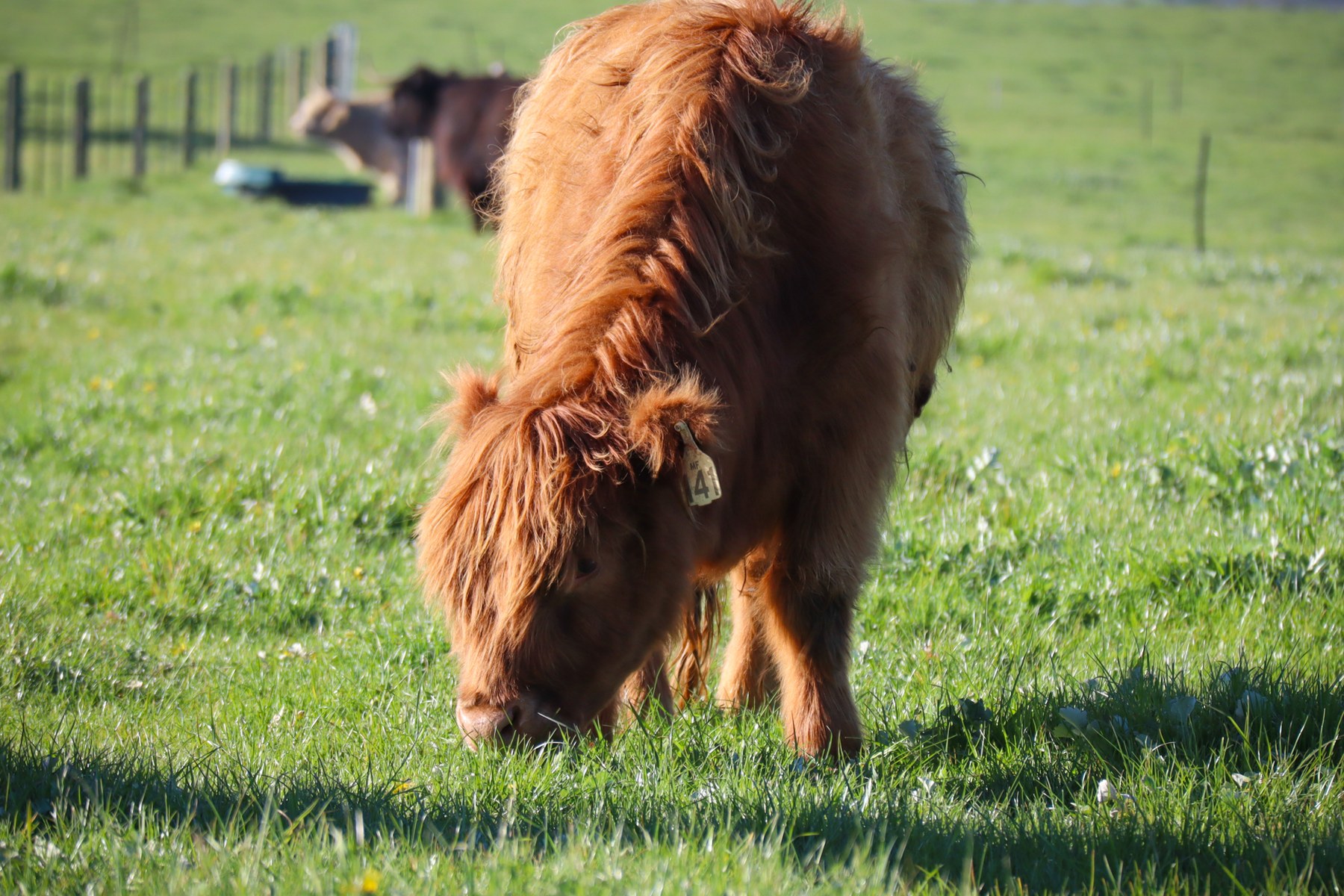
Less than people think, and it depends far more on rainfall and pasture than on a number of acres. A few goats or Babydolls are comfortable on a small block with good fencing. Highlands need real grazing. The honest test is whether you can rest a paddock — if every animal is on every paddock all year, you have too many for the land.
No. Cattle, sheep and goats are all herd animals and a single one is a distressed one — it will call, pace, push fences and go looking for company. We will not sell a single animal to go home alone, and neither will any breeder worth buying from. Two is the minimum; three is more forgiving if you lose one.
Yes. Pet status makes no difference — if you keep livestock species, your property needs a Property Identification Code. It is how the country traces a disease outbreak, and it is also what lets you order tags. Apply through your state agriculture department.
It varies enormously with distance, whether your animal shares a load, and how far off a main route you are. Interstate is a real cost and worth quoting before you fall in love with an animal. Ask two or three carriers, and ask whether waiting for a shared load would save you money — often it does.
Wool breeds, yes — it is a welfare requirement, not a cosmetic one. An unshorn sheep in an Australian summer is at risk of heat stress and flystrike. Book early, because small flocks are the hardest jobs for a shearer to fit in. Shedding breeds are the exception, but none of ours are.
Check your local council's rules on stock numbers and species before you buy, especially on smaller blocks and in peri-urban zones. Some councils limit numbers, some require setbacks for shelters, and a few have a view on entire males. Better a phone call now than a letter later.
A castrated male is the most underrated animal in small farming. No breeding decisions, no seasonal behaviour, generally the friendliest thing in the paddock, and far cheaper than a breeding female. If what you want is company and lawn maintenance rather than a breeding program, wethers are the right answer.
We would say give yourself a year first. Learn what a healthy animal looks like when it is well, so you can tell when one is not, and find out whether you enjoy the daily reality before you add birth and its complications. Almost nobody regrets waiting a season. Plenty regret not waiting.
Buying the animals before the infrastructure. Second place goes to underestimating fencing, and third to not having a way to catch an animal. All three are the same mistake really — the exciting part gets done first and the boring part gets done in a hurry, in the rain, with an animal already loose.