It started with a building permit
We were graphic designers, and we still are — we've run our own business for fifteen years. Farming was completely new to us, and we fell in love with it very quickly.
The honest version of how we got here is that we had to have cattle. It was a requirement of building our house. The paperwork was originally drawn up for Angus, which is what you put down when you don't know any better.
So we did some research. Somewhere in that research we found Highlands, and that was the end of the Angus plan.
We started with polled ones only, because the horns frightened us. Then we fell in love with the horned ones as well, which is how these things tend to go.
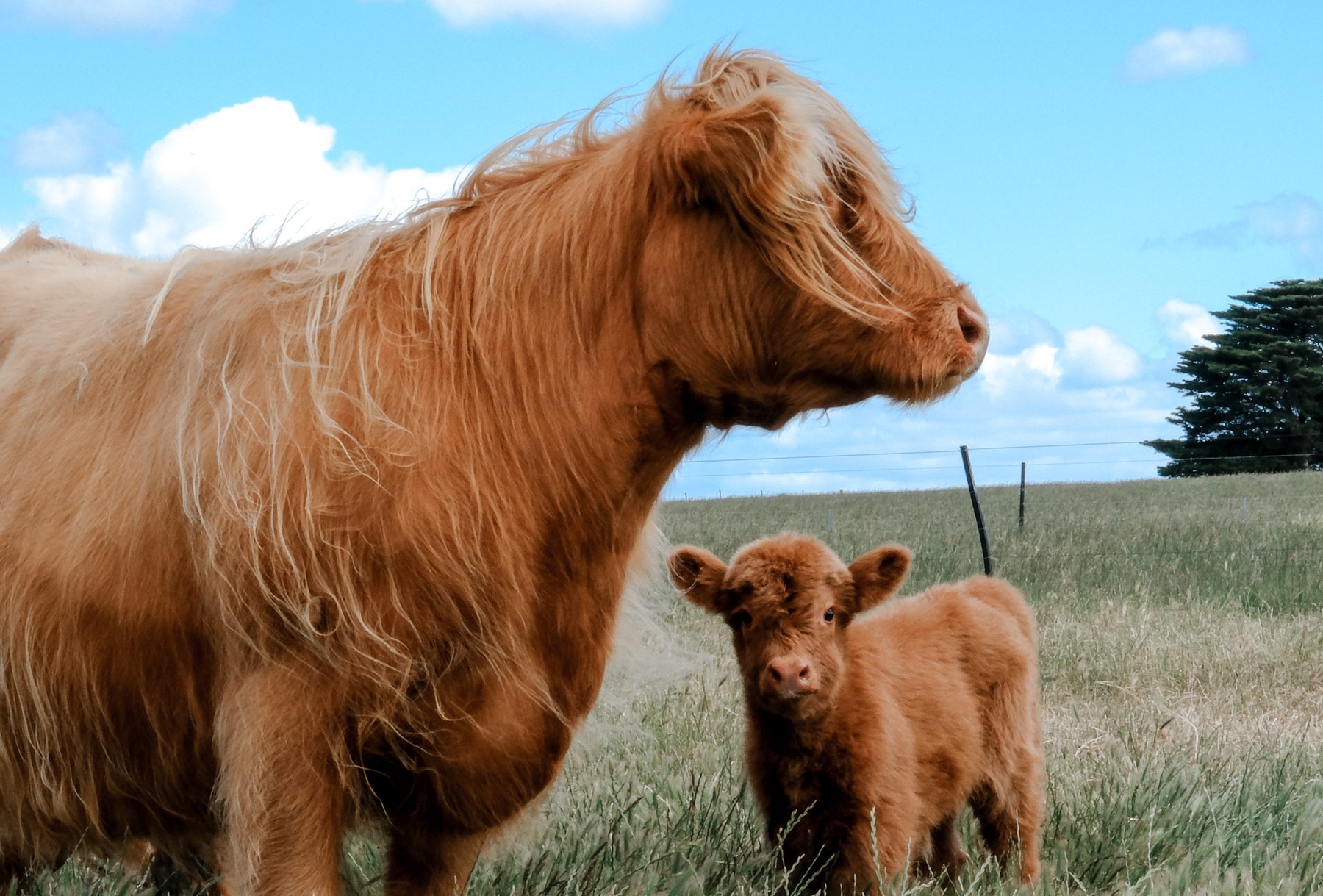
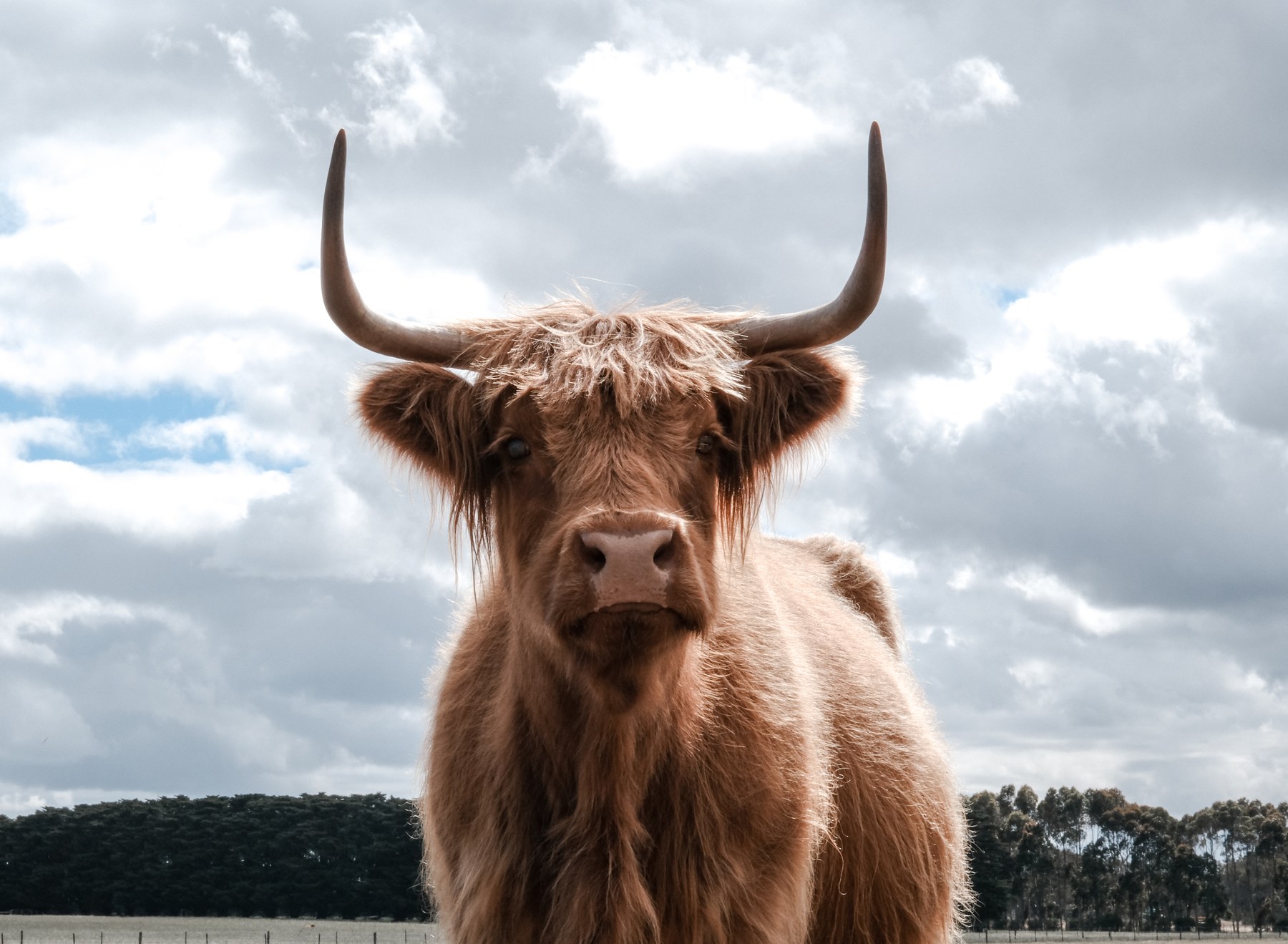
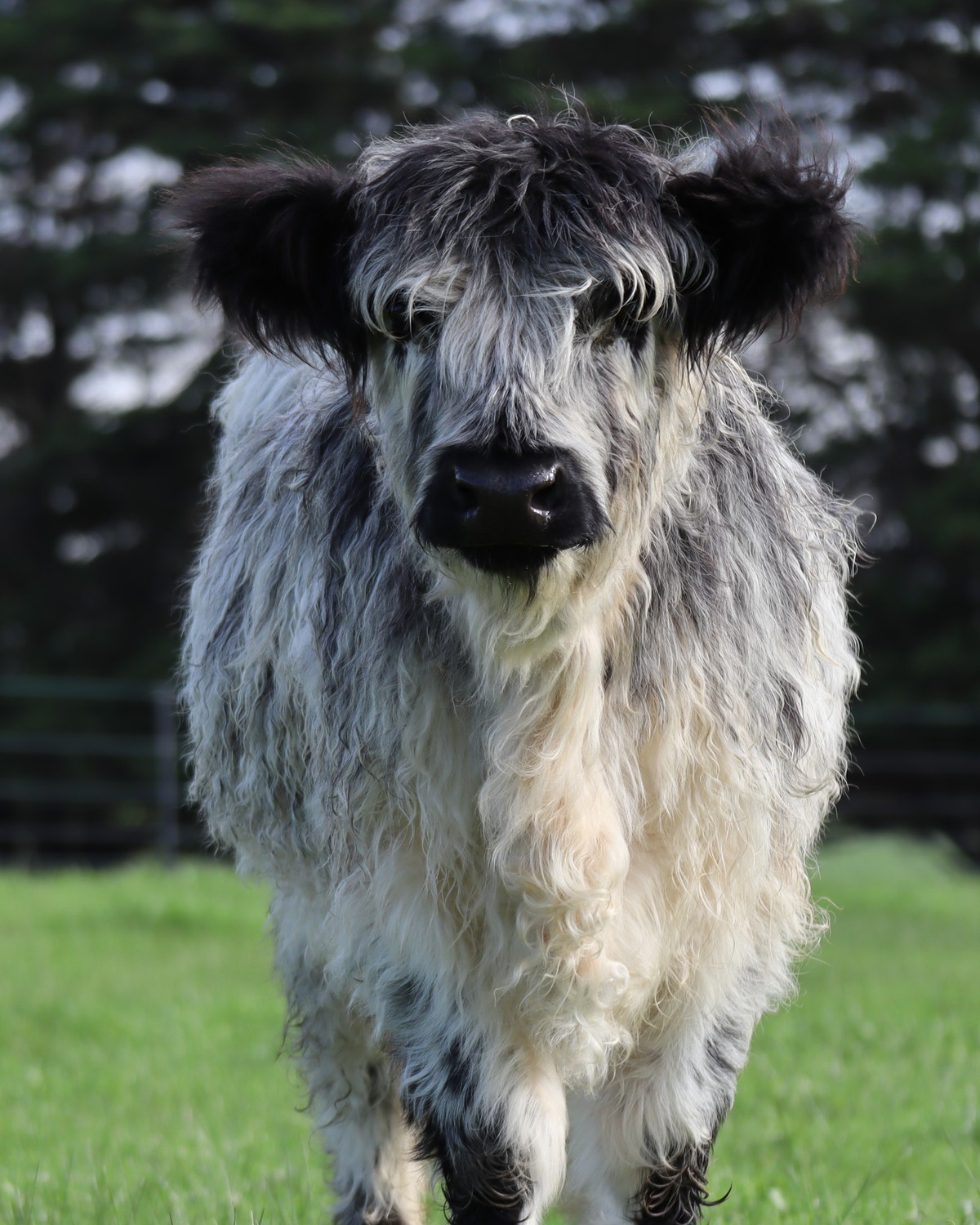
The avenue of cypress
We were in town on a fairly small suburban block, and what we wanted was for our kids to grow up on a farm, with space around them.
We looked at local blocks for about a year. When we drove through the property we now own and stood in the avenue of cypress trees that runs up the side of it, the decision made itself. It took our breath away.
We are not people who half-do anything. We went in with a business plan and a marketing plan, because that is how fifteen years of running your own thing leaves you. But if you had told us five years ago that this is where we would be, we would not have believed you.
We rented the block out at first, until we were ready for cattle. Then the first crew arrived — about eight of them.
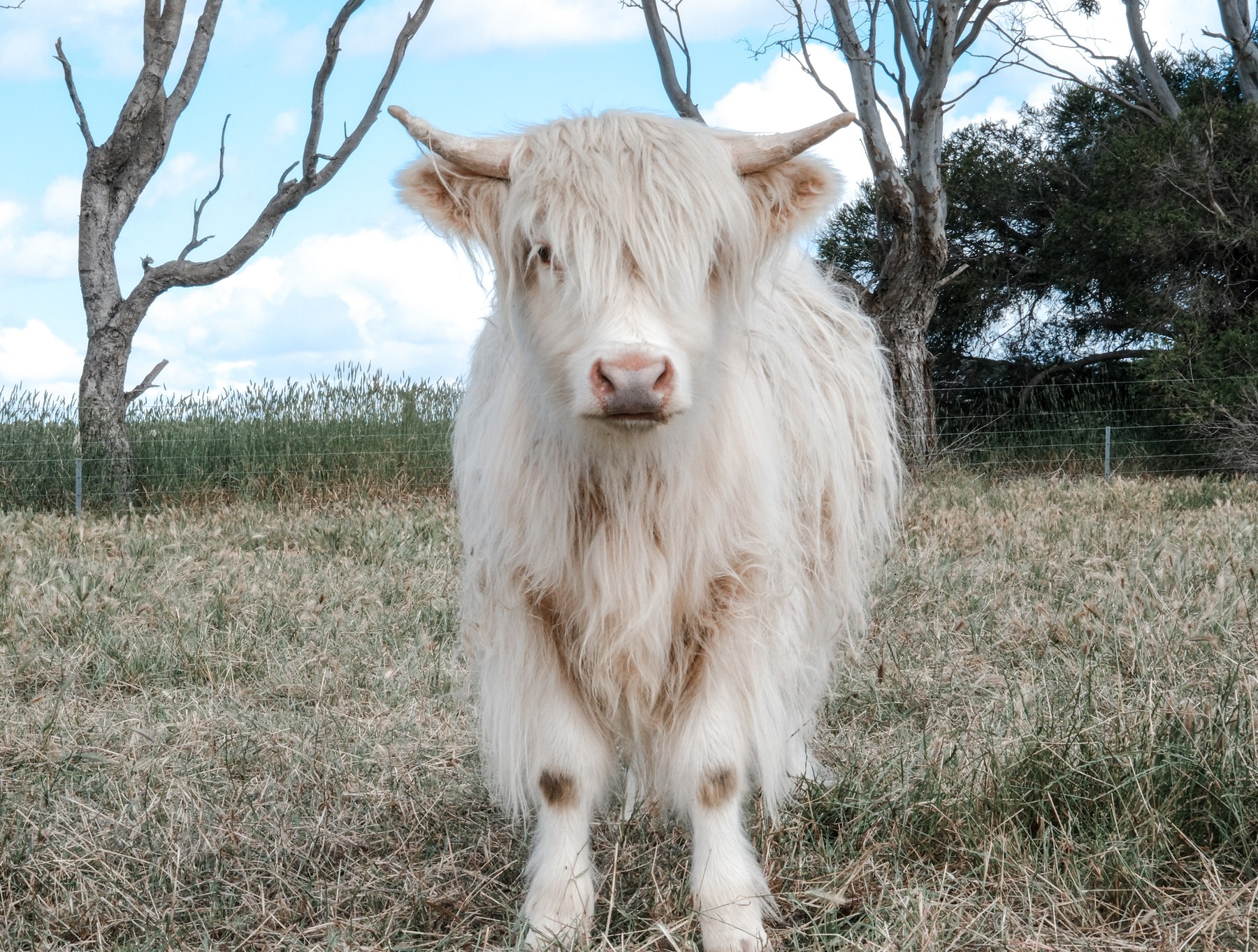
Jessica, Betty and Sophie
Our first Highlands came from Himalaya Highlands. Three girls: Jessica, Betty and Sophie.
What we remember about the day they arrived is that we could not stop looking at them. We kept finding reasons to walk out to the paddock.
We had braced ourselves for cattle to be hard work. They were far easier than we expected — which is not the same as easy, but it is worth saying, because the fear of the workload stops a lot of people who would be very good at this.
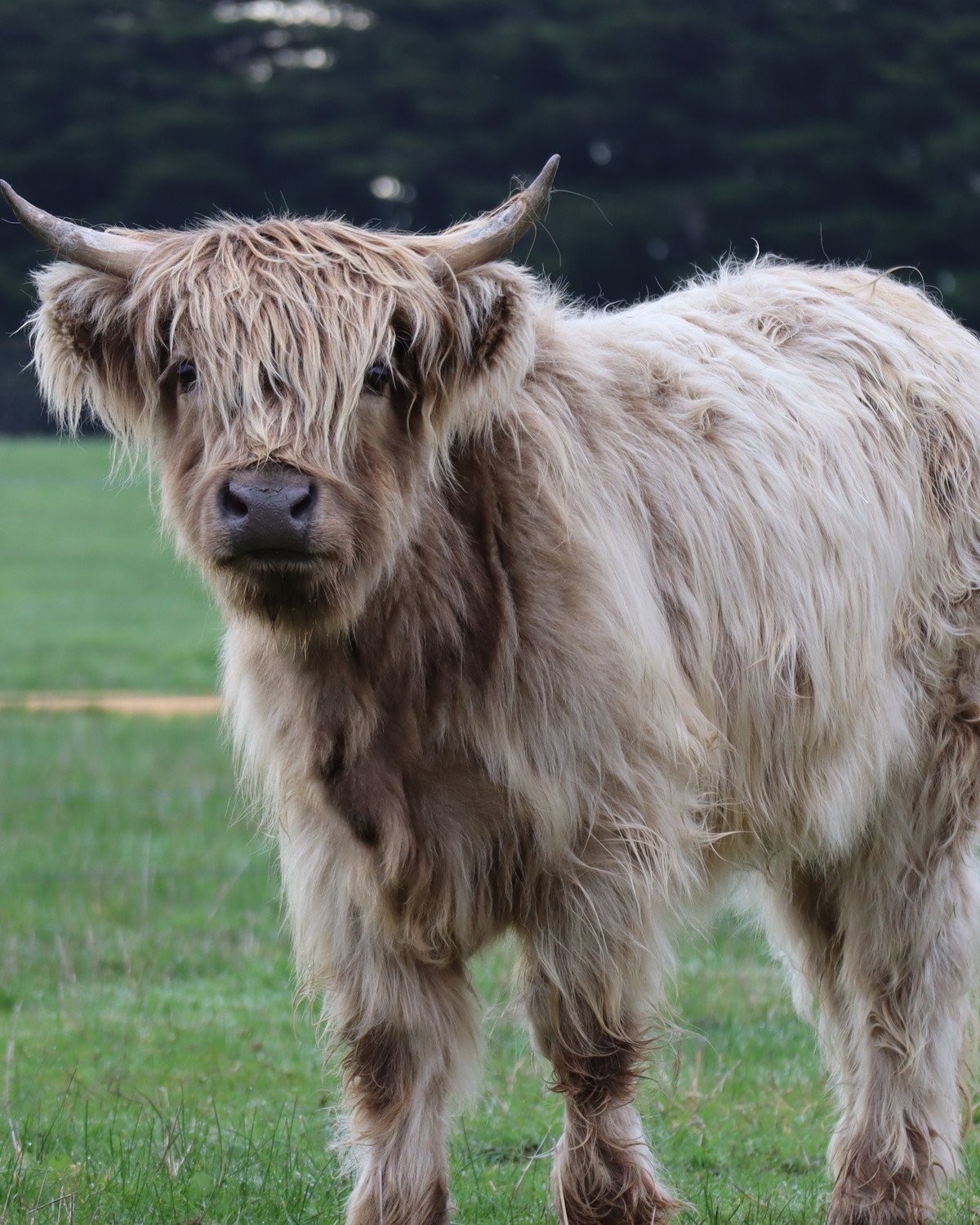
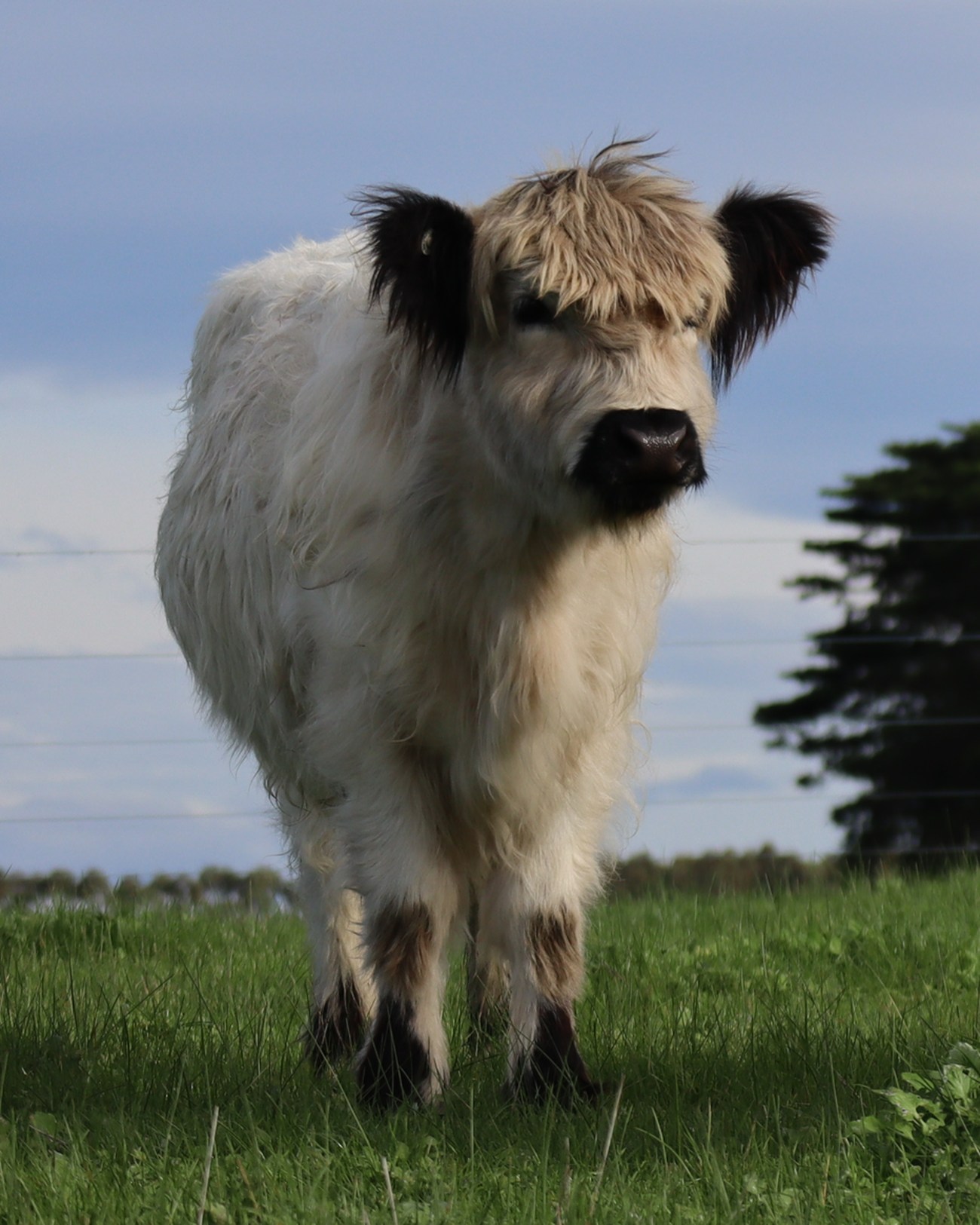
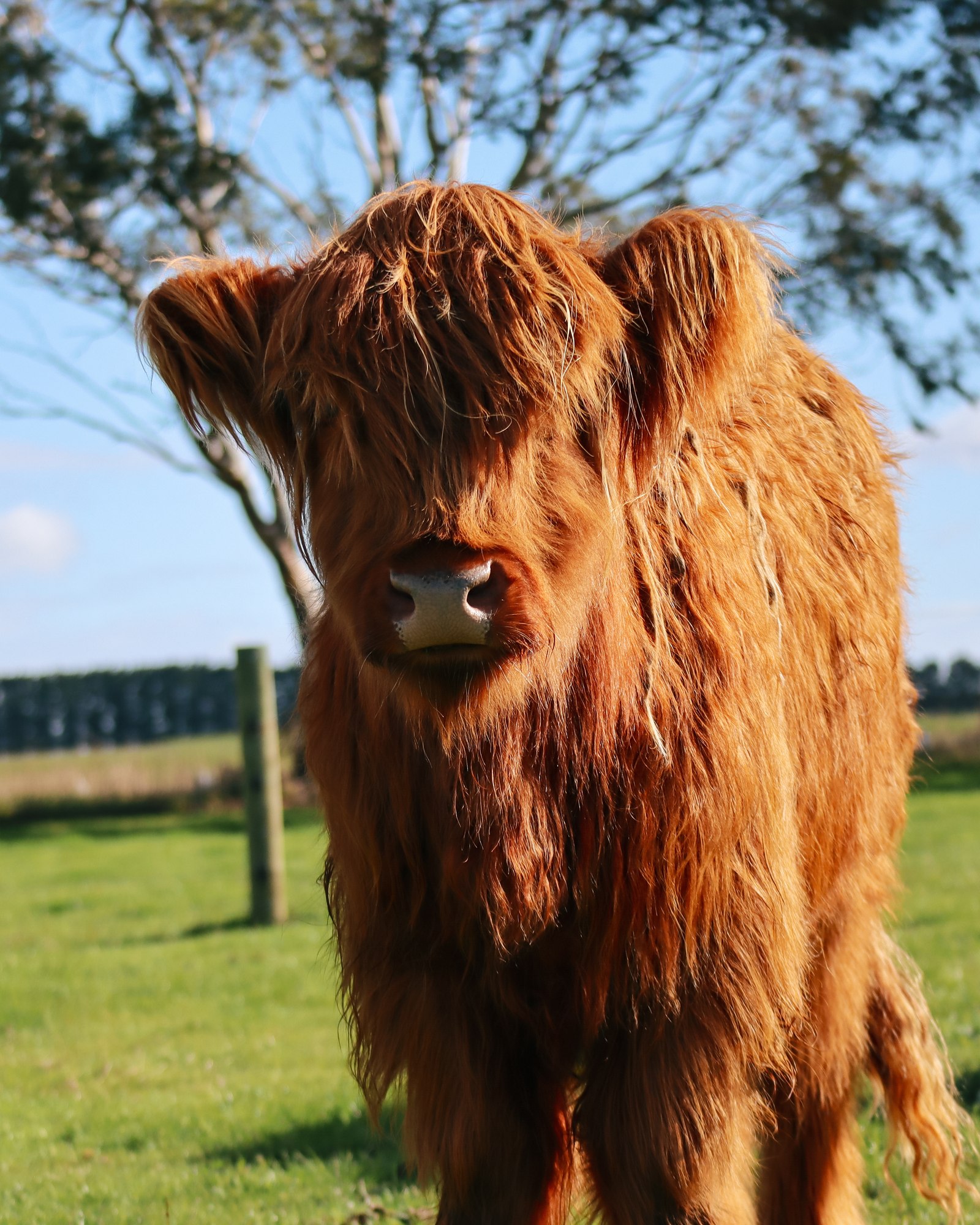
The thing that taught us most was starting with young heifers. A young one you handle properly becomes a calm adult, and a calm adult is worth more than any colour or any pedigree.
The day Boulder went swimming
Our fencing here is good, and we check it constantly. One summer Boulder decided he would like a bath, and went through into the creek.
We got him back. It also took about a year off our lives.
That is the one we would point at if you asked what has gone wrong here. Not a dramatic story, but it is the one that changed how we do things — the creek is now double-fenced, and we walk the boundary more often than we would like to admit.
The other honest answer is that we have been given a great deal of good advice, and what we have learned is to take all of it. Listen to anyone willing to tell you something. You work out what applies to your own place later.
Two things to know before you buy one
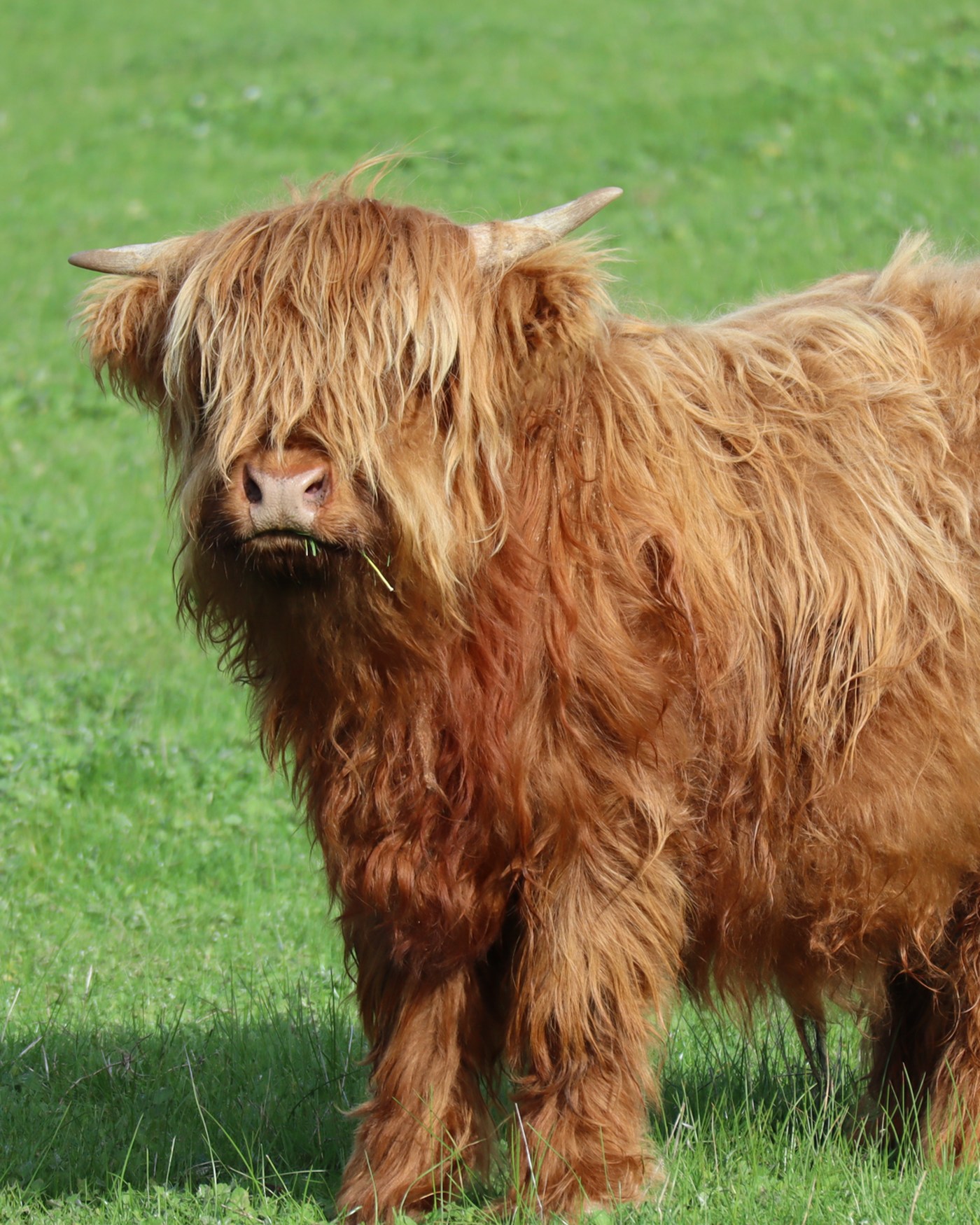
They get bigger than you think. There is a lot of confusion about “mini” cows. Calves get sold as minis and then grow into full-sized animals. A Highland is smaller than a commercial cow, but it is still a cow. If somebody is promising you something tiny, ask more questions.
Two turns into fifty. We are not joking. They are addictive, and you will want more of them. Plan your fencing and your paddocks for the herd you will have in three years, not the two you are buying now.
And we do not sell a single animal to live on its own. They are herd animals. That one is not negotiable, and you can read the rest of our conditions on the terms page.
What we breed for
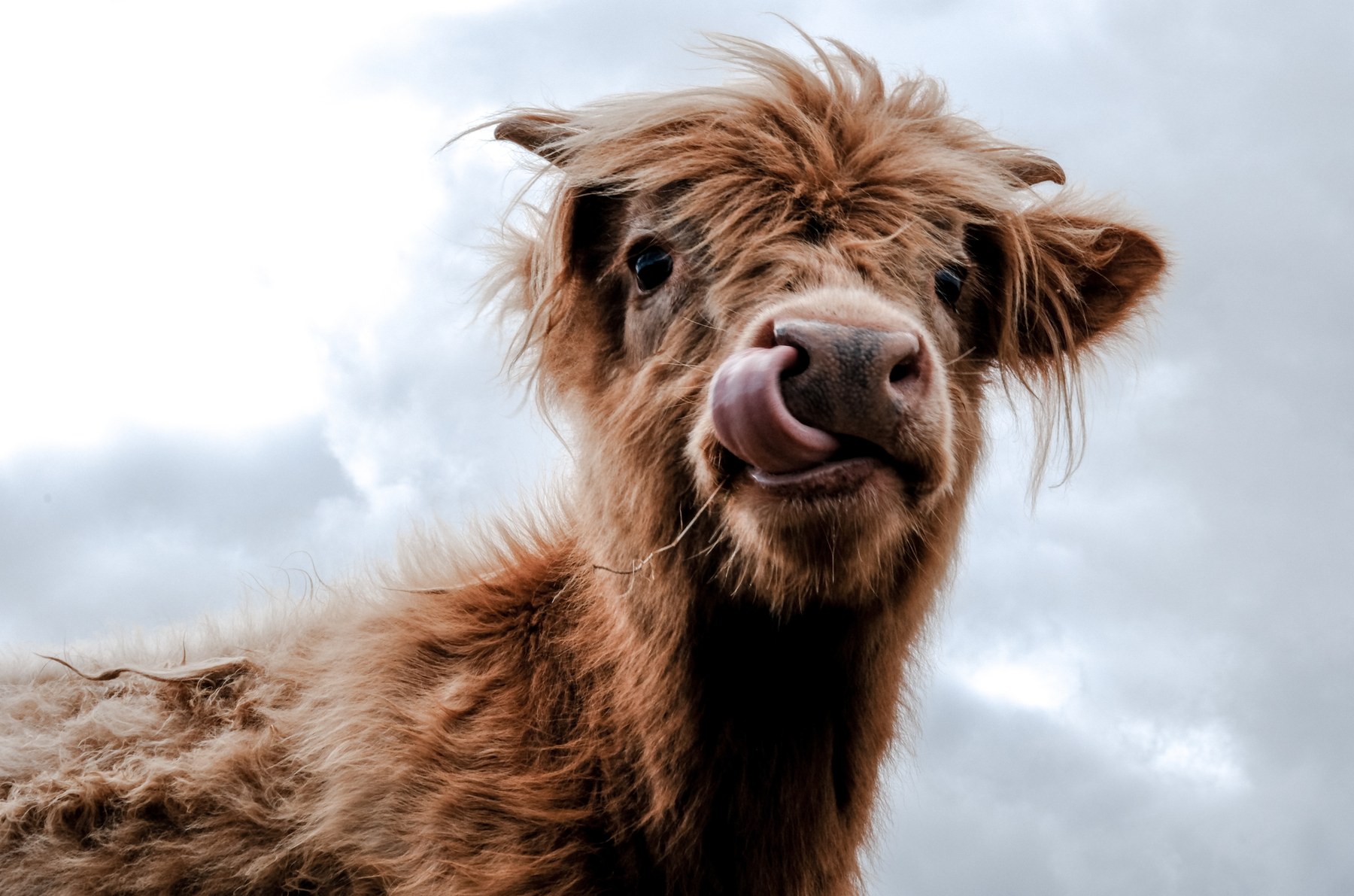
Temperament, structure and colour — in that order.
Temperament first, always. We want animals that are good with people, so we are careful about the personalities we keep in the herd. An animal that is a pleasure to handle makes everything else on a property easier, and it is the thing a new owner feels every single day.
On paperwork: we run both registered and unregistered animals, and we will always tell you plainly which one you are looking at. If you want a much-loved paddock companion, registration genuinely does not matter. If you want to breed, show, or build a pedigree, it matters a great deal. We would rather you bought the right animal than the dearer one.